Introduction: A Shop Floor Moment That Says It All
I still remember walking into a shop where a part was late because the machine wouldn’t hold tolerance — the foreman looked exhausted. CNC machine service was already scheduled, but the fix dragged on, materials piled up, and the customer was breathing down our necks. Recent shop-floor audits show up to 28% of downtime is avoidable with better maintenance and diagnostics (simple, but often ignored). So why do we keep repeating the same mistakes, and what can we do differently this week?
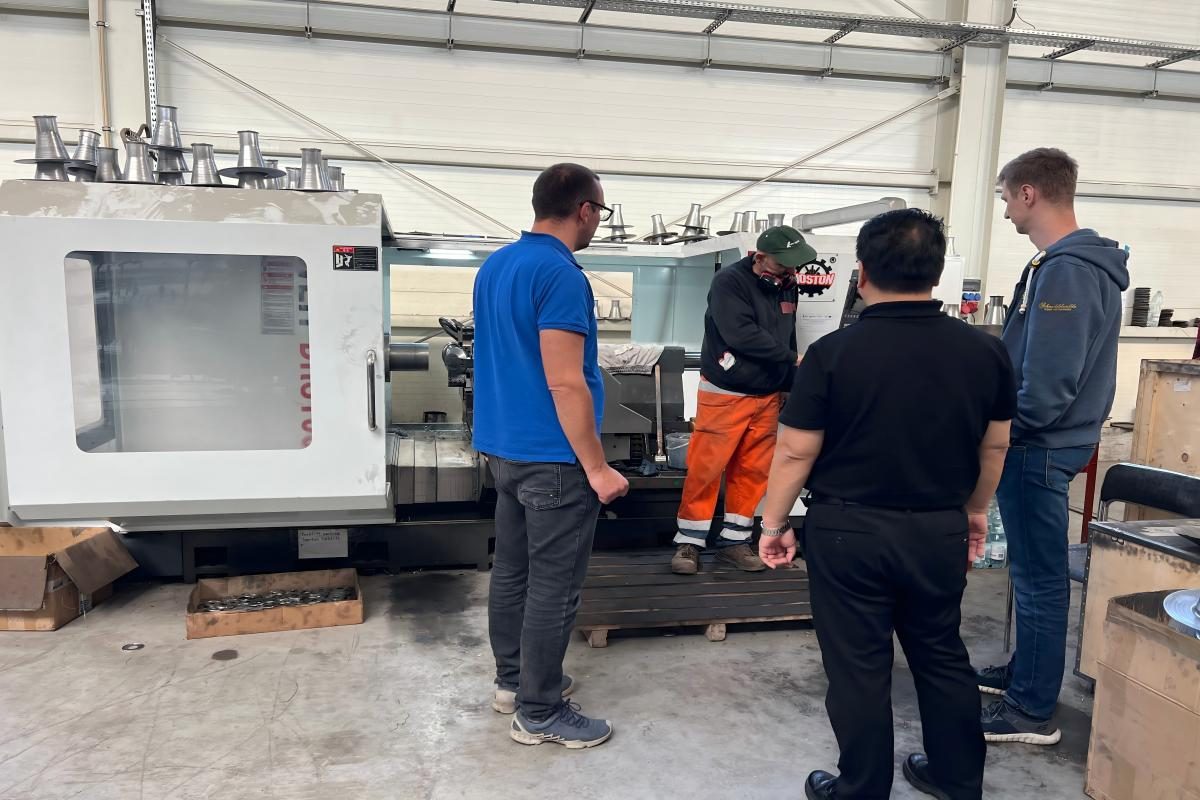
I’ll be candid: I’ve seen teams chase symptoms instead of tracing root causes. We automate monitoring, push logs to edge computing nodes, and still miss the obvious — a worn spindle or a clogged coolant line. This piece walks through the problem-driven issues I see most often, explains what’s failing in standard approaches, and points to practical checks you can run today. Ready to dig in? — let’s move to the deeper technical layer.
Why Traditional Fixes Fail: The Deeper Flaws
cnc machining services near me is the phrase people search when they’re desperate for a quick turnaround, but quick fixes often mask bigger problems. I’ve noticed two recurring failures: treating maintenance like a calendar task, and relying solely on visual inspection. Both feel safe — until bearings overheat or G-code errors corrupt a batch. In my experience, these “safe” habits cost more time and scrap than a focused diagnostic would.
Technically speaking, common tools miss dynamic issues. For example, spindle speed drift and toolpath optimization errors don’t always show up in static checklists. Vibration signatures shift slowly; tolerance stack-up creeps in; and CAM data inconsistencies hide in plain sight. Look, it’s simpler than you think — but only if you measure the right things (vibration, temperature, power converters, and servo feedback). We should be using real-time telemetry, not just green/red lights.
What diagnostics are actually worth your time?
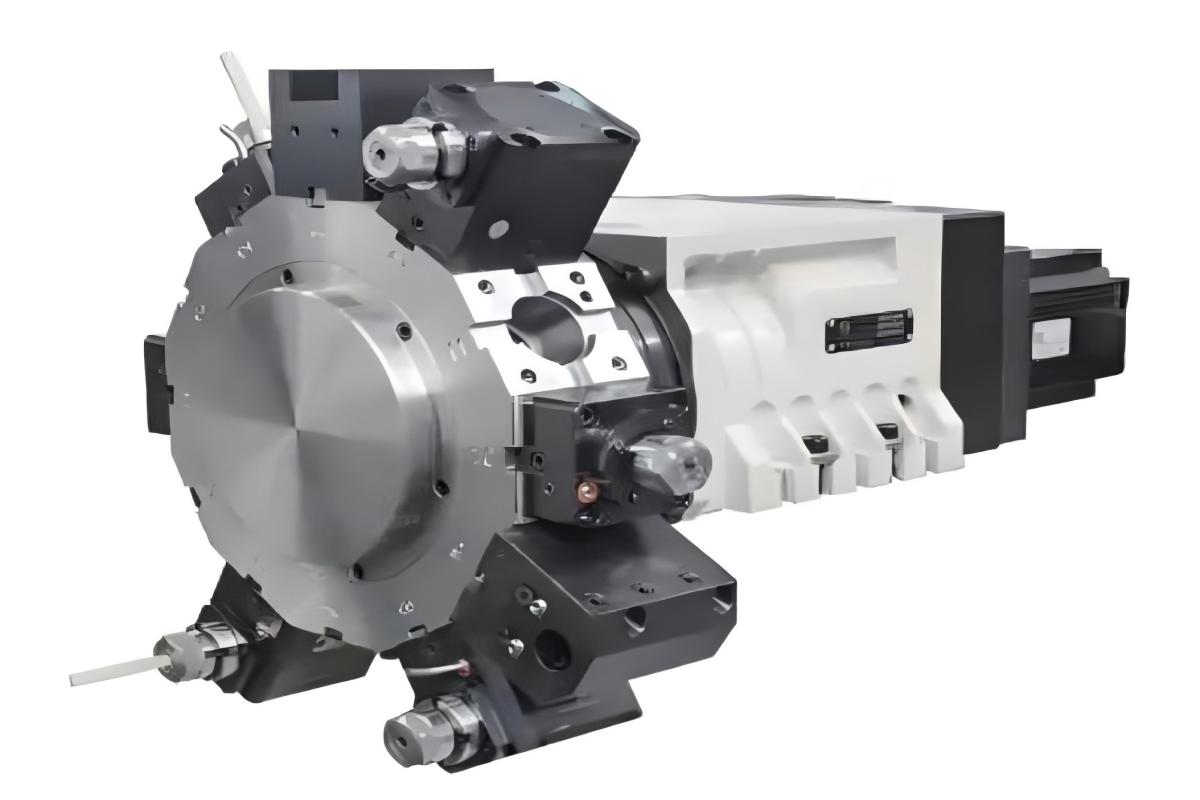
I recommend adding a short, repeatable script to inspect spindle runout, tool-holder clamping force, and coolant flow. Run it weekly after warm-up. I’ve seen shops cut repeat failures by half just by measuring those three things and correlating results with recent tool changes. — funny how that works, right?
New Technology Principles: Where CNC Service Can Improve
Looking ahead, I embrace a principles-first approach: telemetry, targeted automation, and predictive maintenance. When we layer edge analytics on machine controllers, we catch small anomalies early — like a slight change in spindle current or a micro-loss in encoder feedback. Integrating these signals with CAM and ERP gives context; you know whether an alert is a one-off or trending toward a failure. I’m optimistic — but cautious. New tools help only when teams adapt processes to act on them.
Take five-axis work: the complexity multiplies. Using 5 axis cnc machining services demands tighter fixture design and smarter toolpath planning. We need better simulation, clearer tolerance mapping, and continuous feedback loops. I’ve tried several cloud-based monitoring stacks; the winners are the ones that surface actionable alerts, not noise. Real-world impact? Less downtime, fewer scrapped parts, and happier customers. And yes — you’ll still need good basic maintenance. We can’t buy our way out of discipline.
What’s Next: Practical Steps and Metrics
Here are three evaluation metrics I use when choosing service approaches: 1) Mean Time To Detect a fault, 2) Percentage of alerts that require human intervention, and 3) Scrap reduction tied to detected anomalies. They’re simple. They force clarity. Use them to compare vendors, software, or internal plans. I’d also recommend running a 30-day trial of telemetry on one line before rolling out — small experiments beat big bets.
To wrap up: I believe in being hands-on and evidence-driven. We must stop reacting and start measuring. Do that, and you’ll reduce downtime, improve quality, and—most importantly—sleep better the night before big jobs. For practical help and service options, check out Leichman.

Leave a Reply